
OUR
SYRIA
PROJECTS
Fourteen years on, Syria is beginning to rebuild, but millions still face displacement, destruction, and a long road home. Action is needed now.
WHAT'S GOING ON?
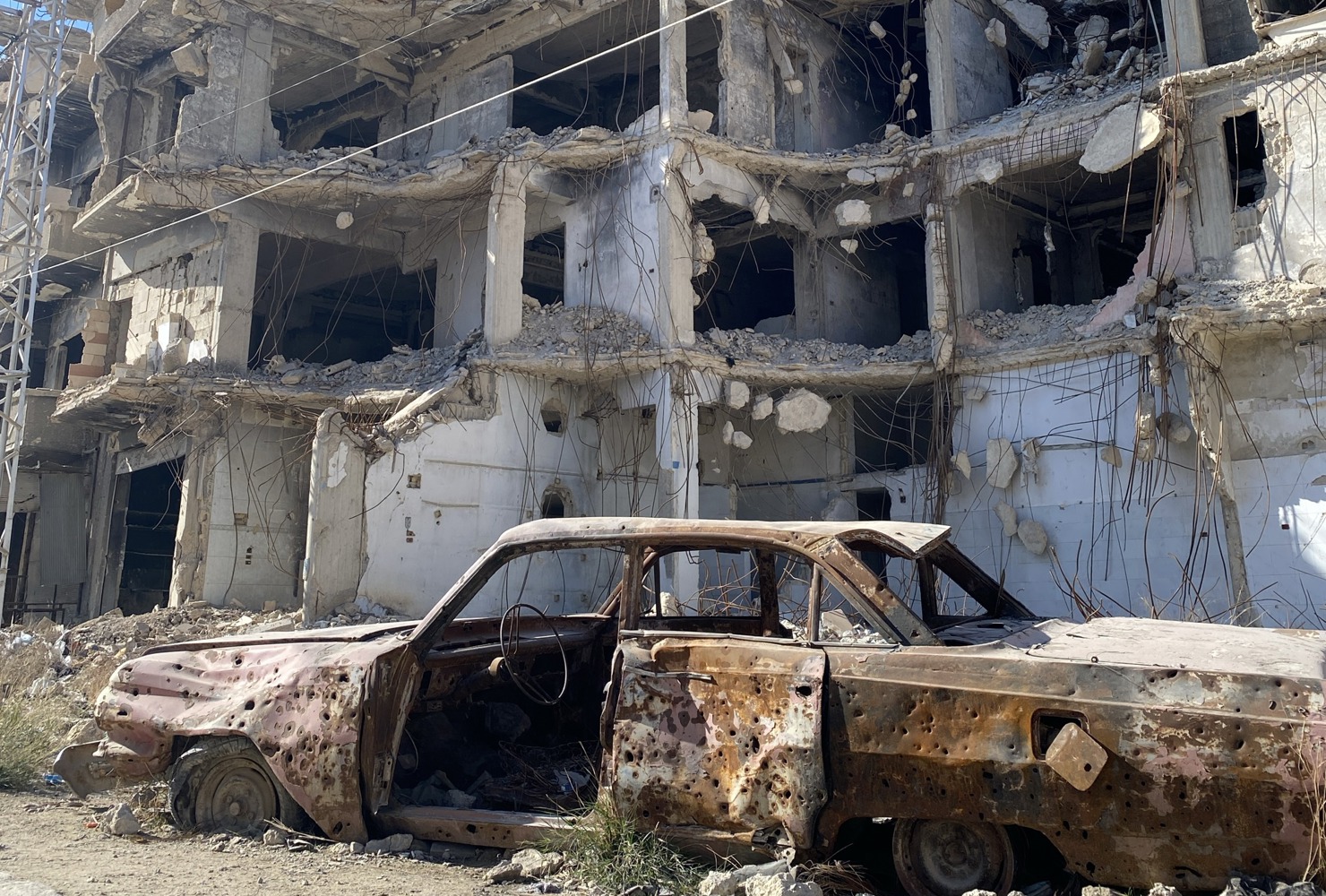
Fourteen years since the conflict began, Syria is taking its first steps towards recovery. Across liberated areas, families who were once displaced are finally returning home. But what they return to is devastation. Houses are reduced to rubble, schools are destroyed, and livelihoods have been lost.
Turn your faith into action this Ramadan and help rebuild Syria.
YOUR IMPACT THIS RAMADAN
You made a lasting difference in the lives of countless families who will continue to see the benefits of your generosity. We extend our gratitude to our donors, partners, volunteers, and staff who make all this possible. From all of us at Action For Humanity, thank you for turning compassion into action.
14+
YEARS
For the first time in 14 years, we reached communities in Aleppo, Idlib, and Damascus.
18K+
FOOD PARCELS
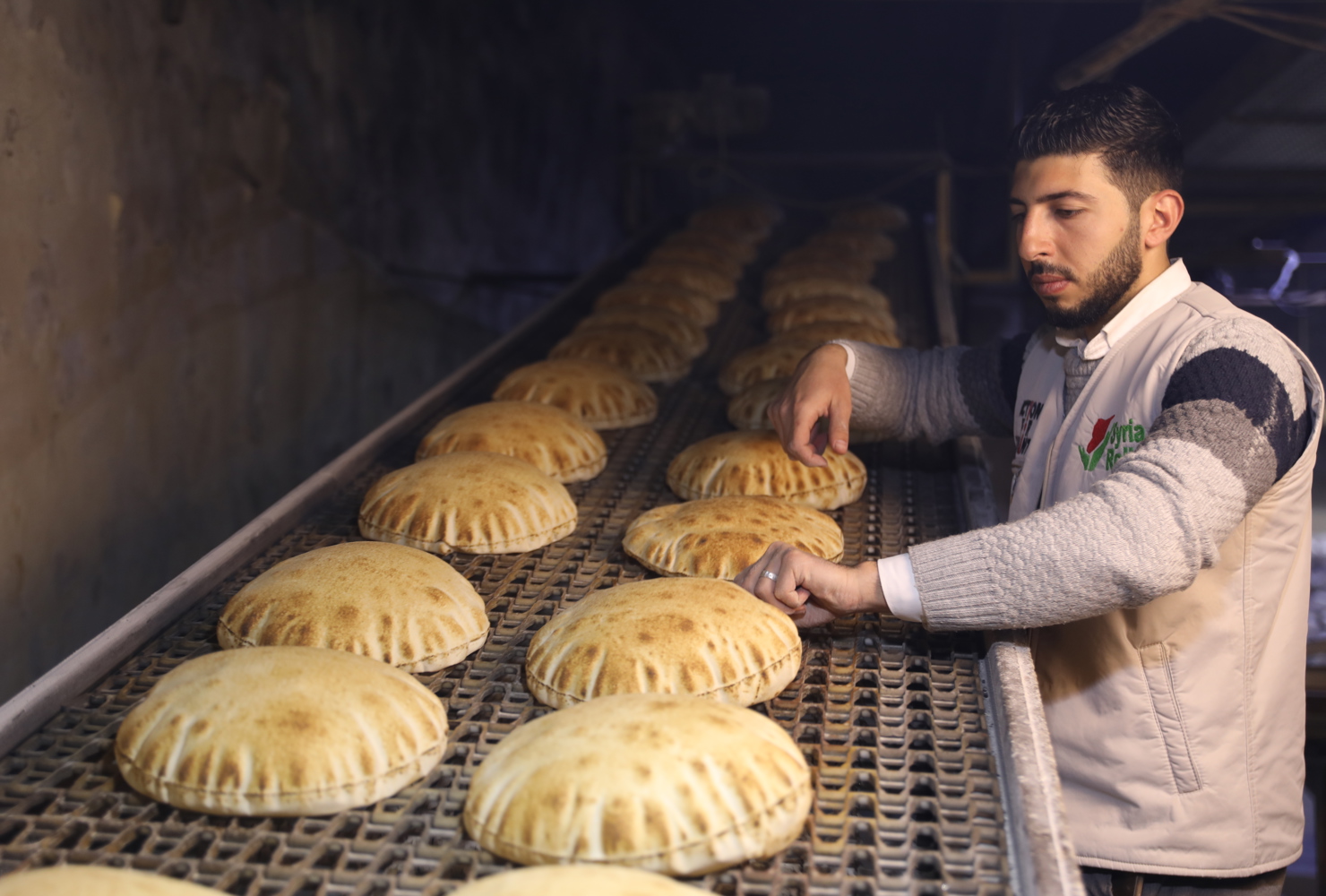
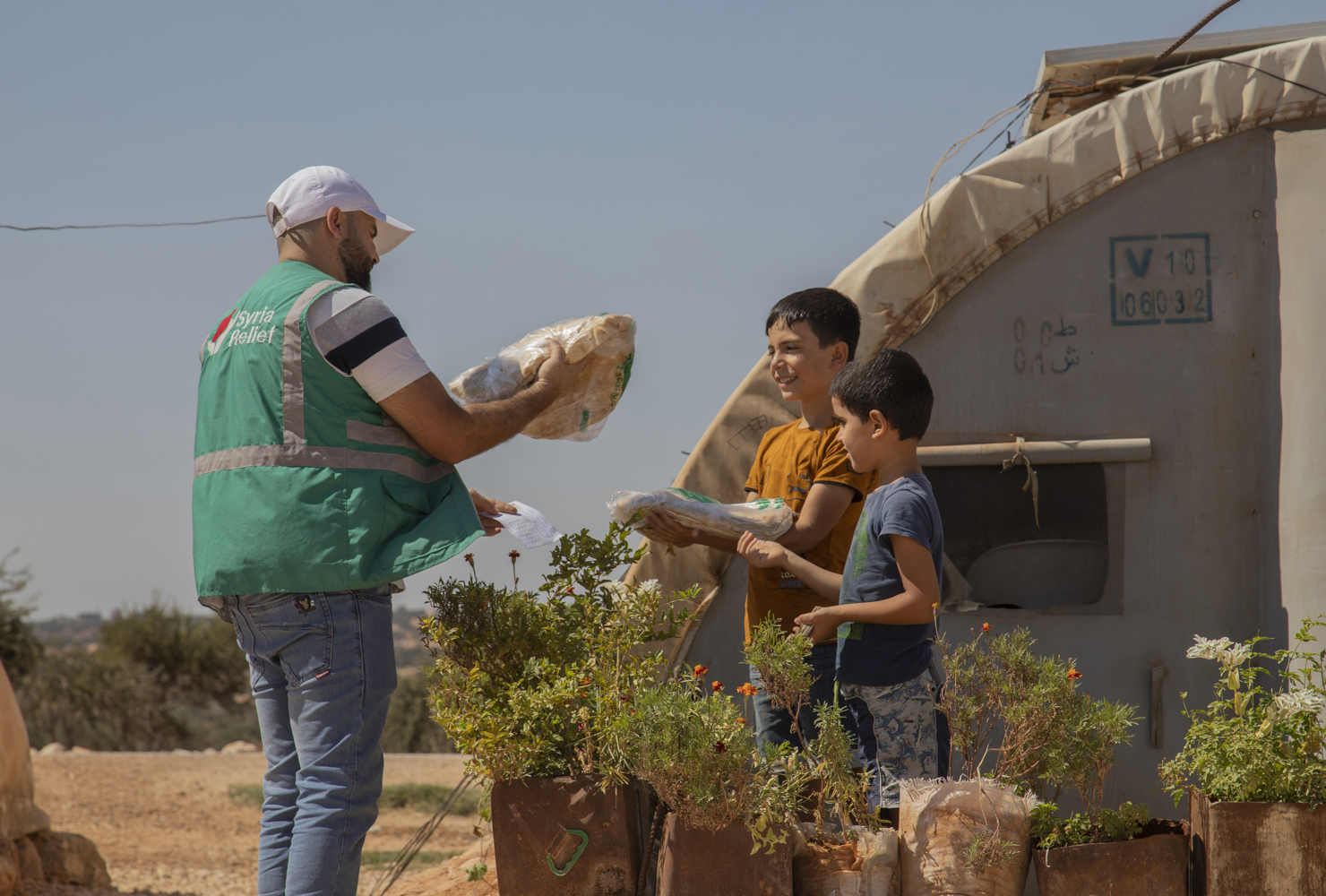
We delivered over 18,000 food parcels, helping families break their fast.
70K+
SYRIANS REACHED
Over 70,000 Syrians felt the warmth of your compassion through our life-saving work.
 Quick Donate
Rebuilding Our Beloved Syria
While many families long to return, vast areas of housing and infrastructure have been destroyed, leaving communities unable to safely rebuild their lives. Millions continue to live in tents, fragile shelters, or overcrowded public buildings that offer little protection, privacy, or dignity.
Action For Humanity is taking a critical first step by rehabilitating and repairing damaged homes in newly liberated areas of Syria, helping families return safely and begin ending years of displacement.
Beyond initial repairs, the programme focuses on maintaining and restoring villages to prevent further damage from harsh winters and flooding, which repeatedly force families to flee. By supporting the Syria Homes Appeal, you are not only repairing houses, but helping restore stability, dignity, and long-term hope for families and communities striving to rebuild their future.
Restoring Mobility in Syria
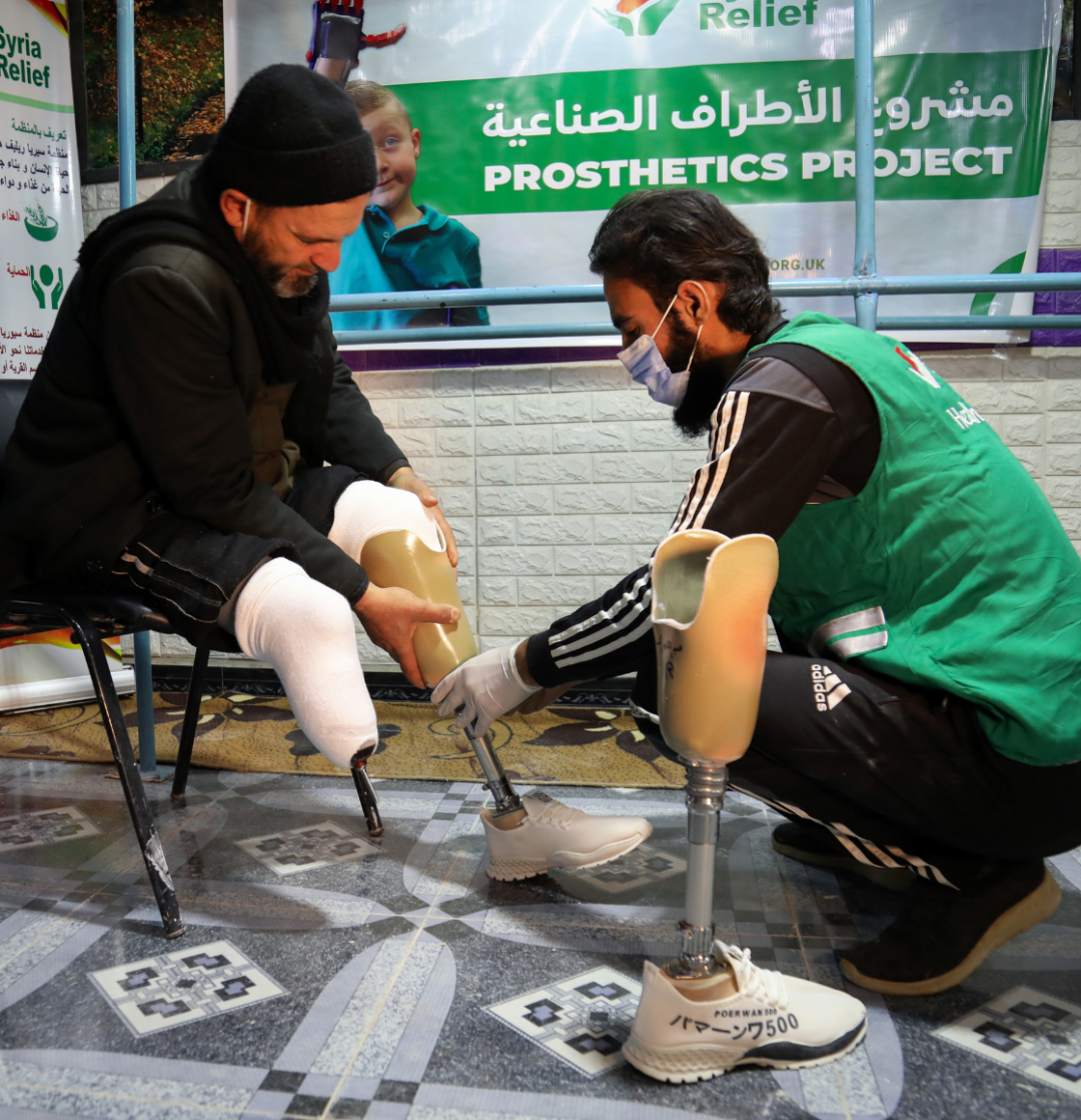
Years of conflict in Northwest Syria have left thousands of people with life-changing injuries, including amputations caused by airstrikes and bombings. Without access to prosthetic limbs, survivors face ongoing pain, loss of independence, and significant barriers to rebuilding their lives and livelihoods. Restoring mobility is essential not only for physical recovery, but also for dignity, confidence, and participation in community life.
Action For Humanity delivered a six-month project in Idleb and Azaz, providing custom-made prosthetic limbs to five of the most vulnerable survivors, alongside training in their use and maintenance.
Beneficiaries have seen improvements in mobility, psychological wellbeing, and daily functions, allowing them to return to work, school, and family duties. The next phase aims to expand prosthetic support in Northwest Syria, enhance partnerships with hospitals and rehab centres, scale healthcare provider training, and document success stories to secure more international aid.
Beekeeping Restoration
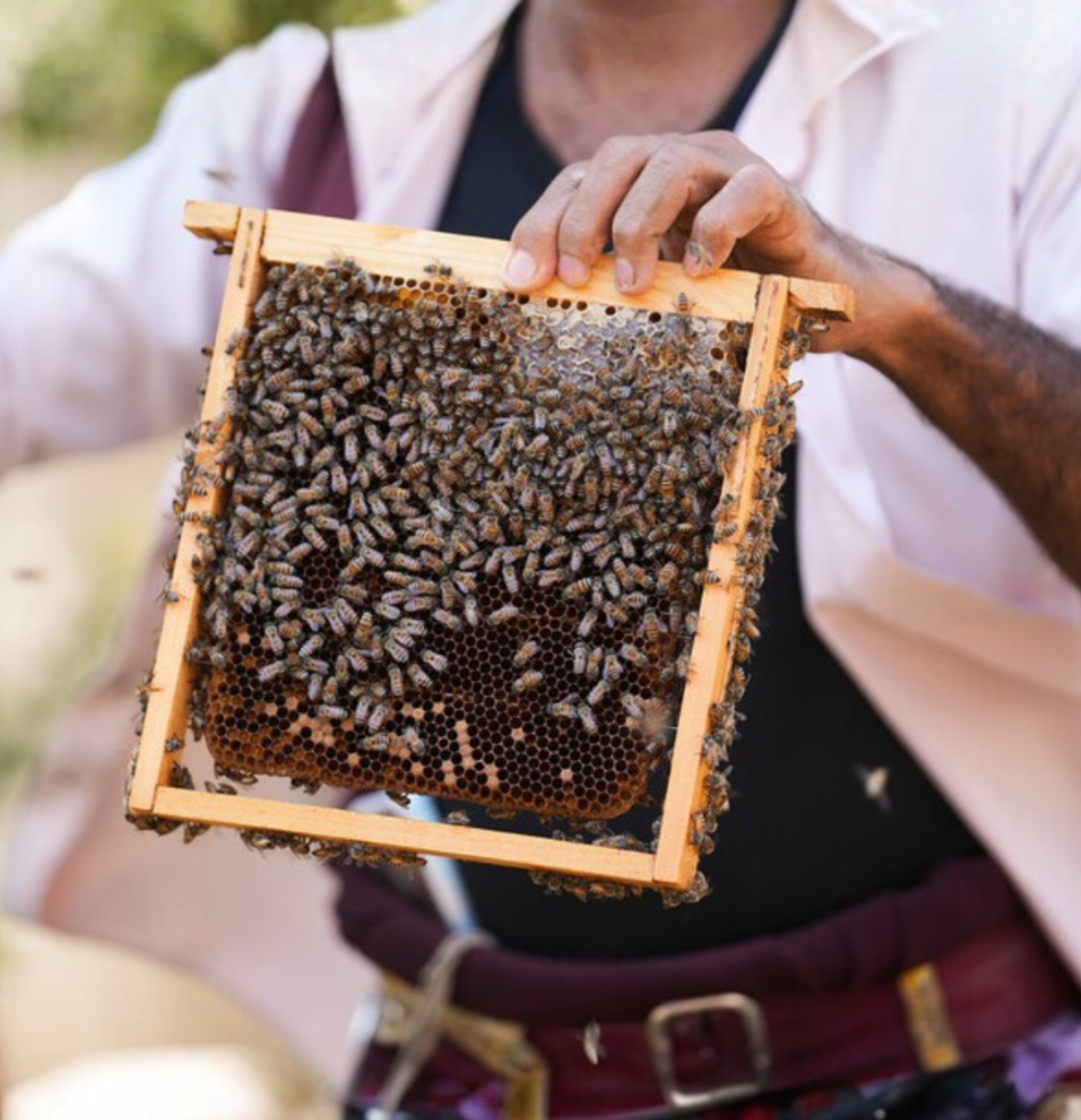
In Deir ez-Zor, Northeast Syria, years of conflict and economic decline have severely damaged beekeeping, one of the region’s oldest and most important rural livelihoods. Abandoned apiaries, harsh environmental conditions, and the loss of technical knowledge have left many beekeepers unable to sustain their work or support their families. Reviving this tradition is critical to restoring income, food security, and resilience in newly stabilised communities.
Action For Humanity’s Restoration of Beekeeping project is supporting 40 crisis-affected beekeepers through a four-month programme that combines practical training, essential equipment, and access to markets. Participants receive full beekeeping kits and specialist guidance on hive management, bee health, sustainable production, and basic business skills.
The project culminates in a Honey and Beekeeping Products Exhibition, connecting producers with buyers and strengthening local markets. Looking ahead, the programme will focus on long-term sustainability by linking beekeepers to local associations, promoting biodiversity and bee-friendly practices, and reinforcing beekeeping as a viable and culturally significant livelihood in post-conflict Syria.
Frequently Asked Questions
How does AFH provide education to the students in Syria?
After over a decade of devastating crises, a whole generation of Syrian children have lost access to education. 7,000 schools have been damaged or destroyed, leaving more than two million children out of school.
The impacts of this are devastating. With no school to provide a sanctuary, children are at extreme risk of child labour, child marriage, and other protection concerns.
In response to this crisis, we run education programmes in over 100 schools and provide more than 350,000 students in Northwest and Northeast Syria with access to education. Your support can help us continue these vital projects, shaping the future of Syrian children.
How does AFH provide access to clean water?
Access to clean water is a human right. However, 7.6 million people across Syria urgently need water, sanitation, and hygiene services. The situation inside camps is complicated, as the lack of electricity makes access to clean water almost impossible.
Our teams run water trucking projects that provide clean water to IDP camps across northern Syria.
How is AFH helping displaced people?
As of 2024, informal camps in Syria housed nearly 2 million internally displaced people out of more than 7 million displaced by the war. These sites face extreme climate events each year, including flooding and snowstorms. In 2022, one-third of IDP camps experienced flooding.
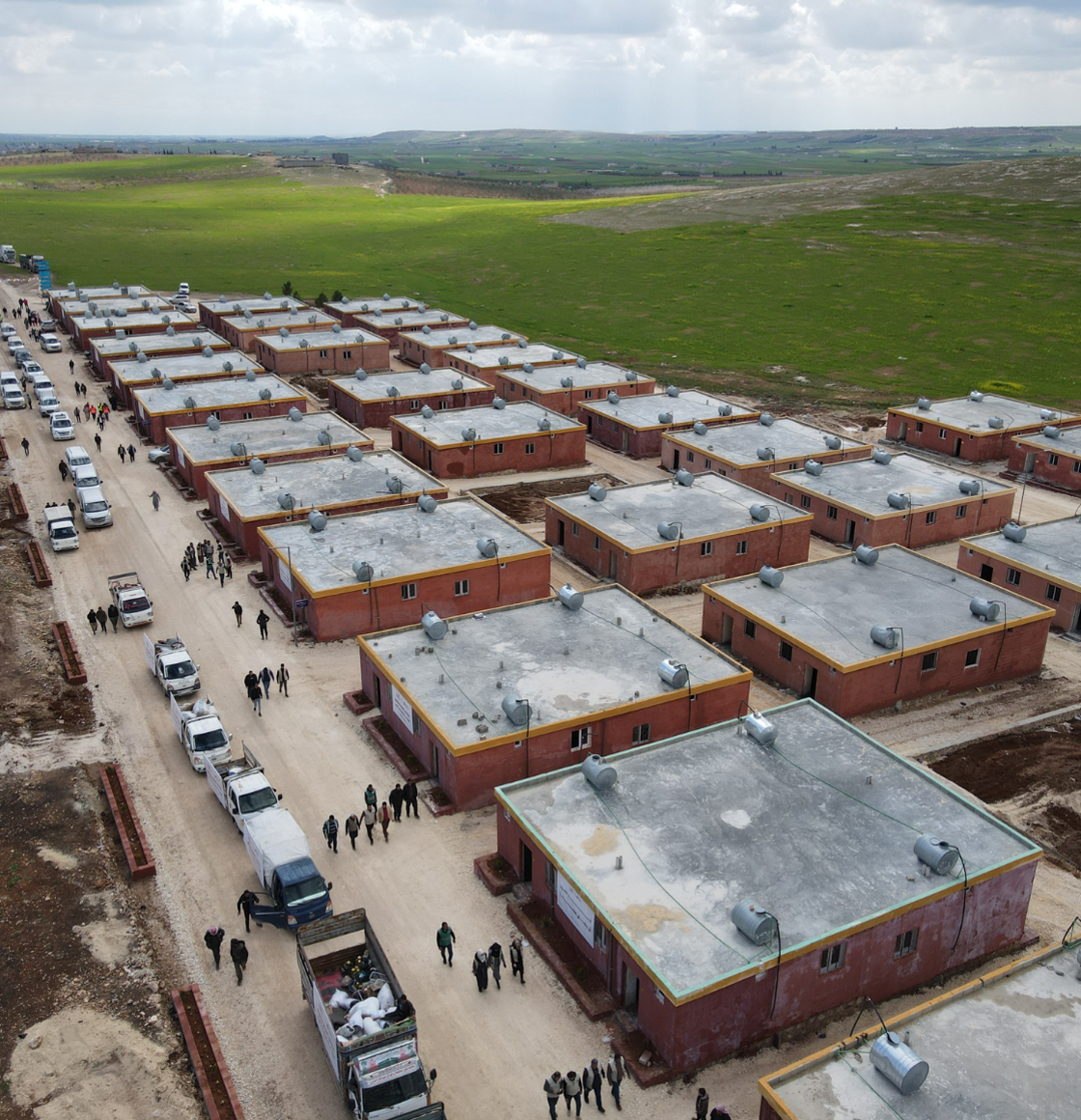
We believe that everyone deserves a safe and dignified home. That’s why we’re rebuilding Syria, one village and one house at a time. We completed our first housing project in 2022. This project provides hundreds of climate-resilient homes with bathrooms, kitchens, and separate living spaces.
The next phase will see the construction of 500 homes for displaced families, each featuring a kitchen, a sleeping area, and a separate living space. It will also see the establishment of a school, a primary health centre, and a place of worship.