
DISABILITIES IN YEMEN
Providing essential assistive devices and support to ensure dignity, inclusion, and hope in Yemen.
PROJECT OVERVIEW
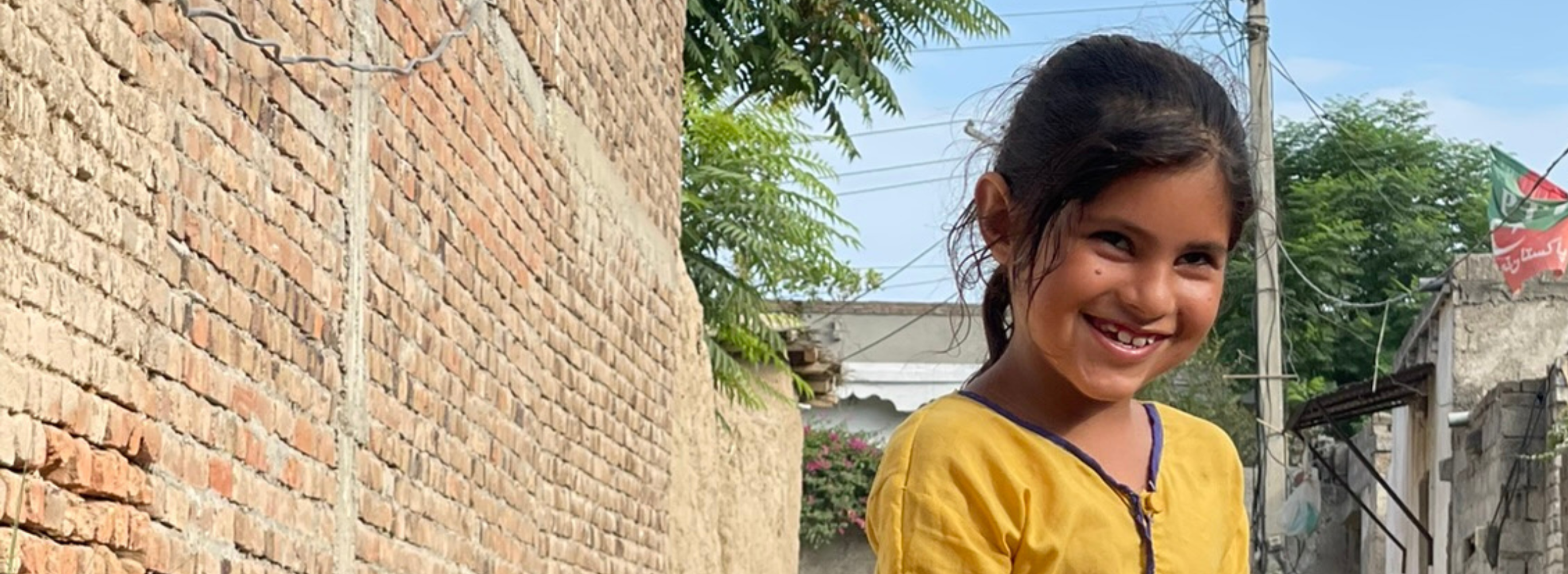
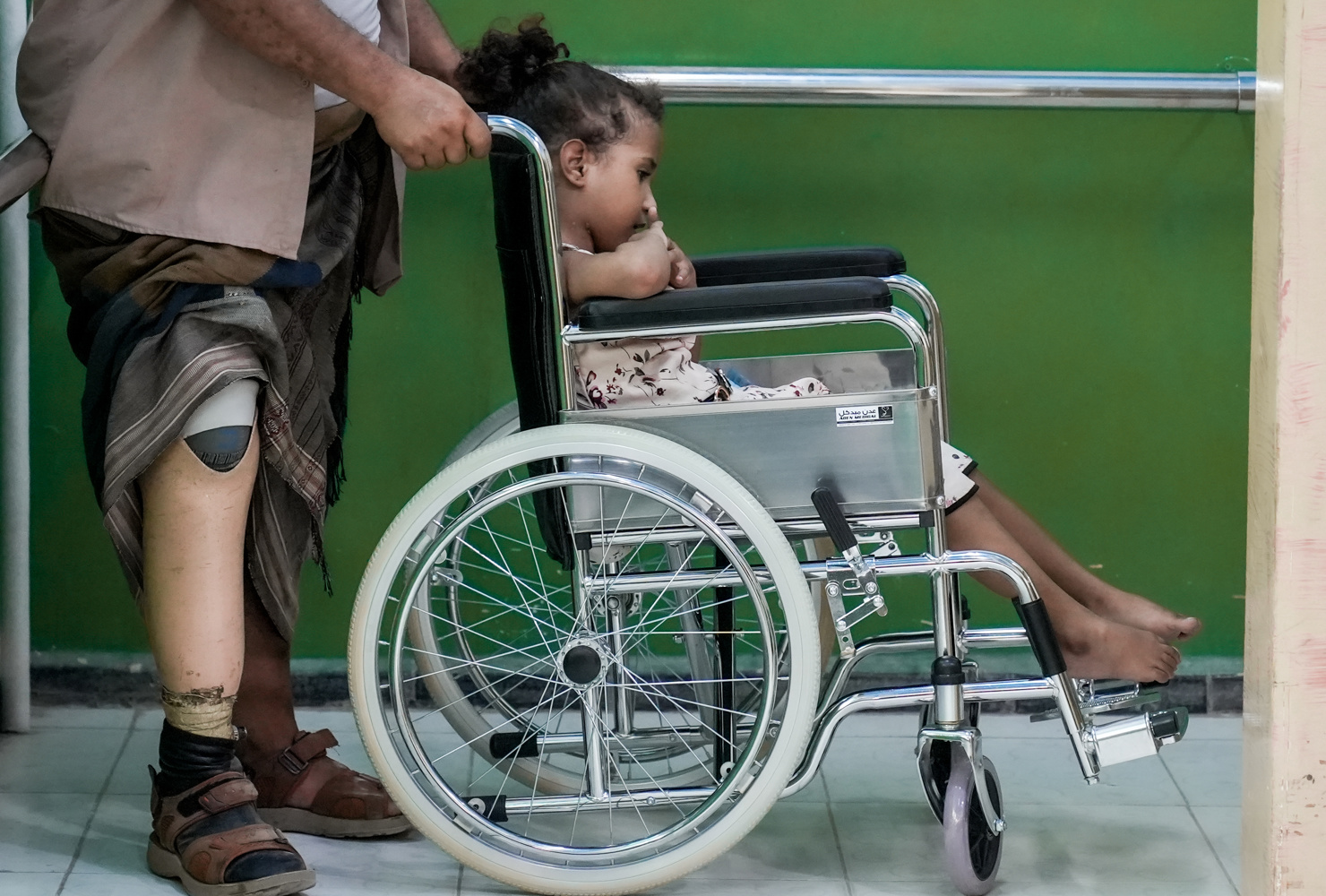
In Yemen, one of the world’s most severe humanitarian crises, people with disabilities are among the most marginalised. The ongoing conflict, economic collapse, and widespread displacement have left millions without access to basic services. For individuals living with physical, visual, or hearing impairments, daily survival is even more challenging, especially during Ramadan, a month of reflection, community, and spiritual renewal.
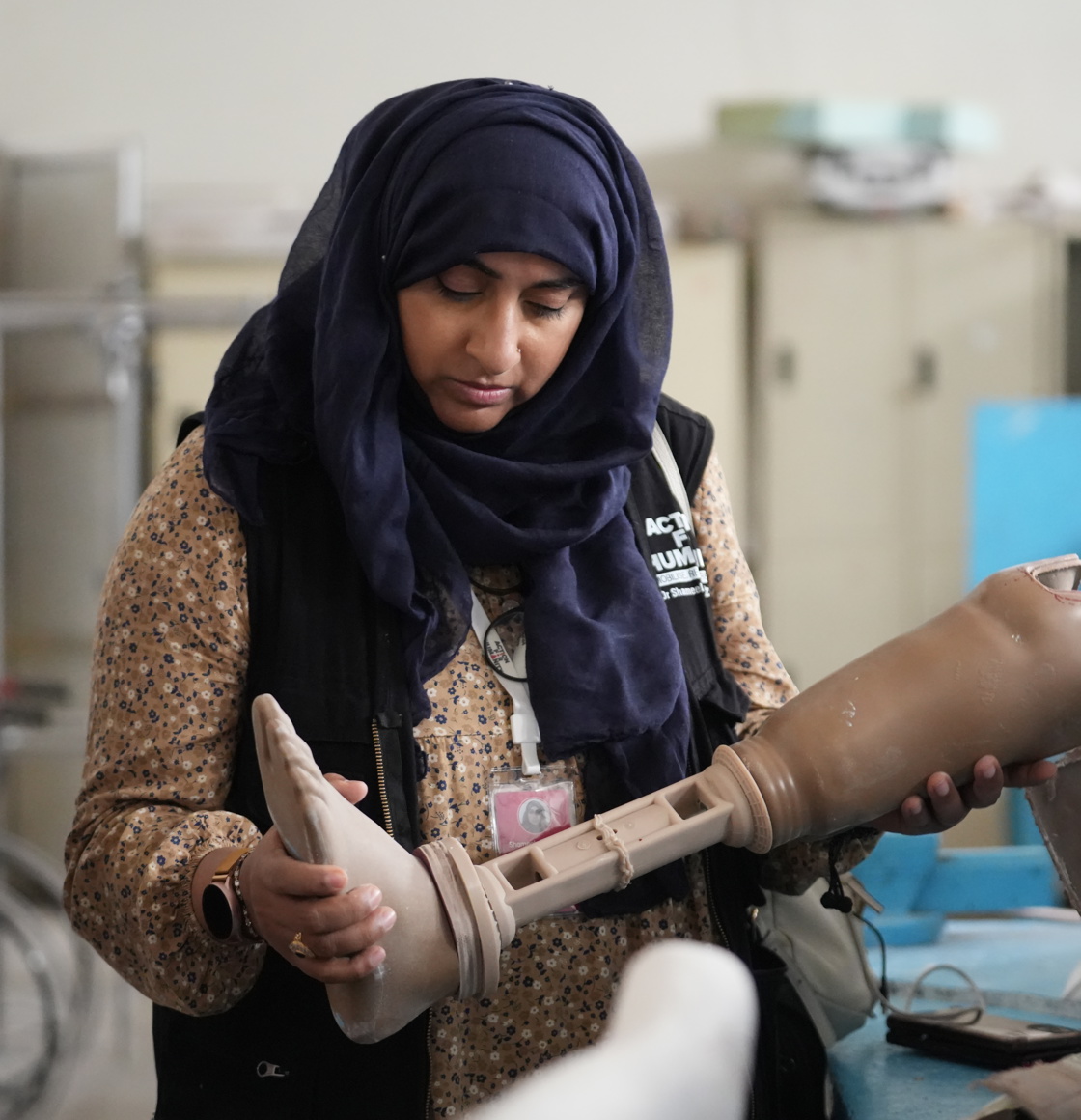
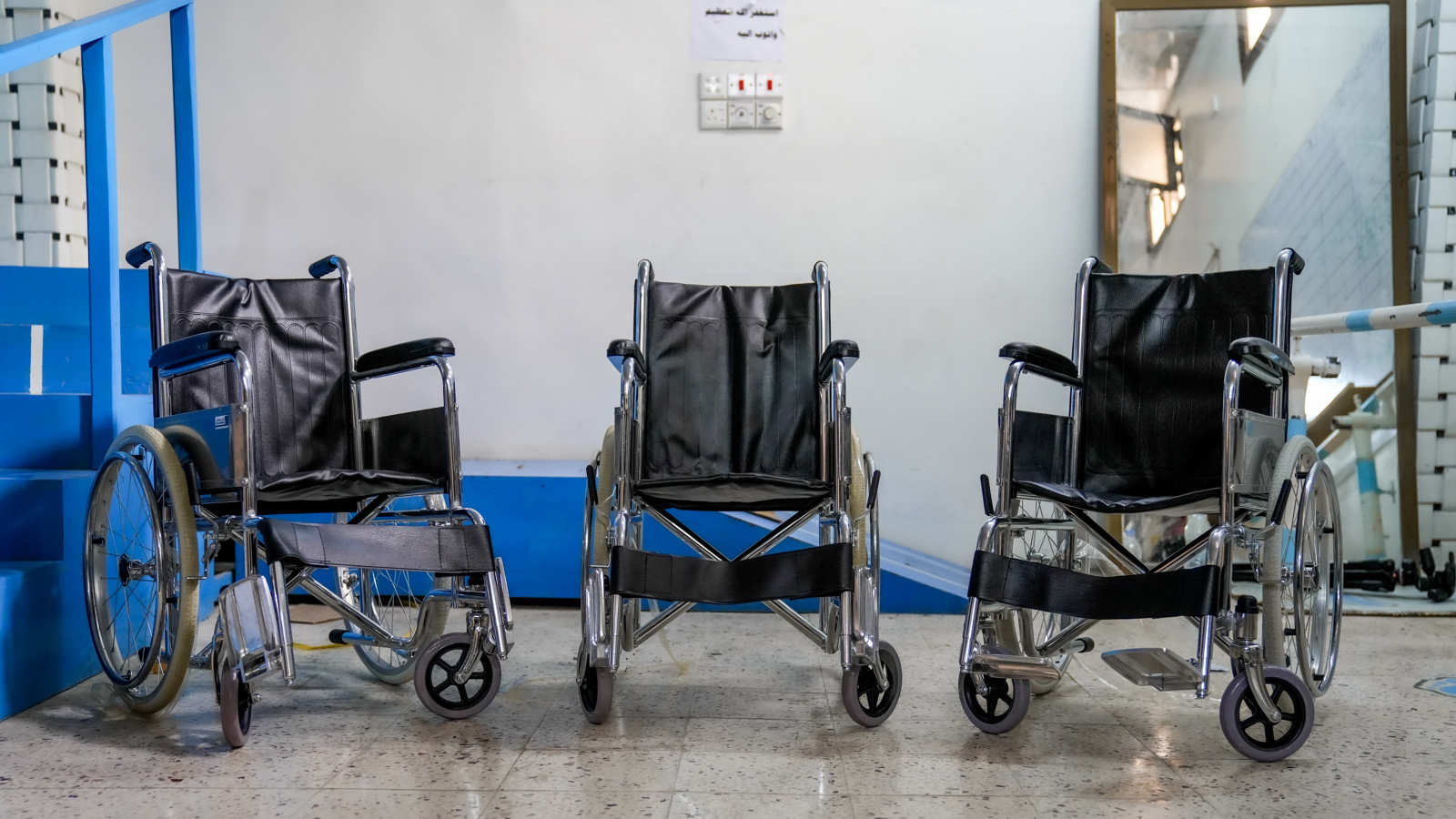
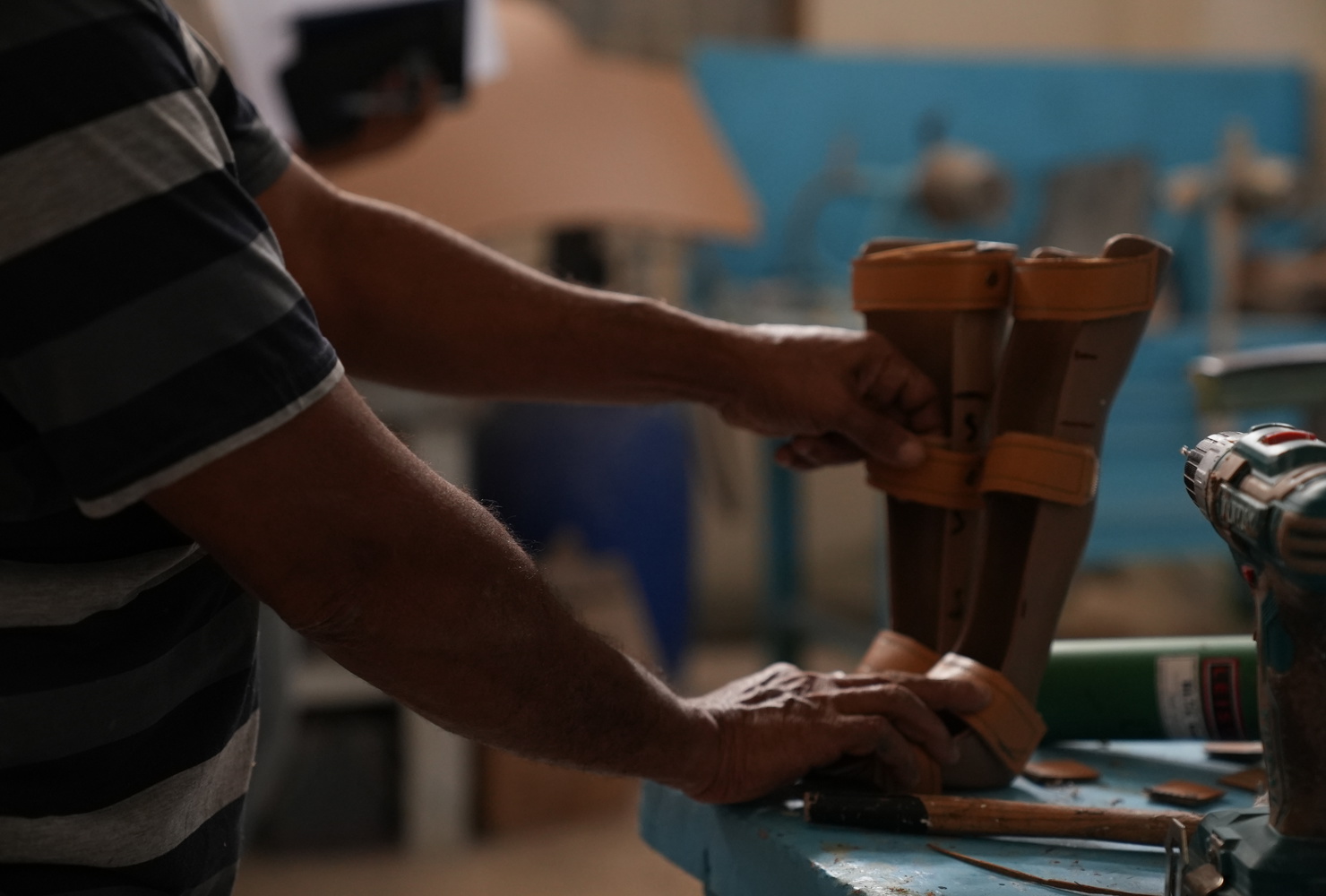
Action For Humanity Yemen will support 42 people with disabilities in Sana’a by providing tailored assistive devices, such as wheelchairs, hearing aids, and prosthetics, alongside awareness and training to ensure proper use and maintenance. By working closely with local disability organisations and community centres, AFH will ensure an inclusive and sensitive process that respects dignity and fosters a sense of belonging.
This project will not only meet immediate needs but also strengthen community inclusion, empower people with disabilities to advocate for themselves, and ensure their voices are heard.
42
PEOPLE WITH DISABILITIES
Receiving essential mobility and assistive devices.
42
ASSISTIVE DEVICES
Including wheelchairs, hearing aids, and prosthetics.
100%
COMMUNITY INCLUSION
All beneficiaries identified through local disability organisations.

WHAT WE ACHIEVED
+Coordinated with local disability organisations and authorities to identify beneficiaries.
+Established eligibility and needs-assessment process to ensure fair, inclusive selection.
+Set up MEAL framework, including helpdesk, hotline, and complaint boxes for transparency.
+Developed risk mitigation and safeguarding protocols to prevent exploitation and ensure accountability.
WHAT'S NEXT?
+Procure and distribute 42 assistive devices tailored to individual needs.
+Conduct beneficiary assessments and training on safe use and maintenance of devices.
+Monitor distribution and collect beneficiary feedback on-site and via hotlines.
+Strengthen partnerships with local disability organisations for ongoing advocacy.
+Provide end-of-project reporting with impact stories, lessons learned, and sustainability plans.