
FEMALE EMPOWERMENT IN LEBANON
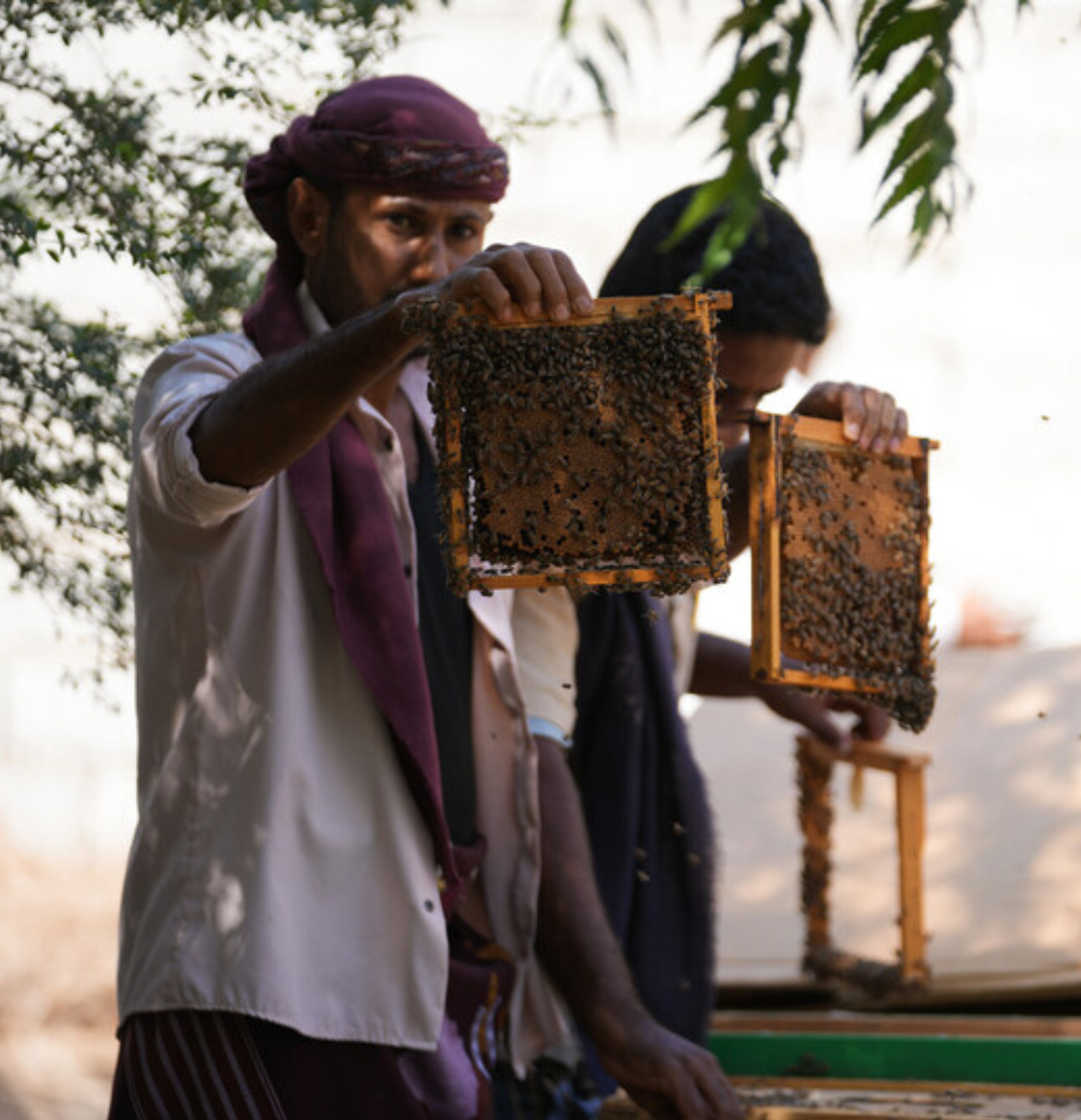
Reviving a tradition, restoring livelihoods, and helping crisis-affected beekeepers in Deir ez-Zor rebuild their future.
PROJECT OVERVIEW
Lebanon hosts some of the most vulnerable Syrian and Palestinian refugee communities, where poverty, unemployment, and housing insecurity are widespread. With over 90% of Syrian refugees and 80% of Palestinian refugees living below the poverty line, many families were unable to cover rent, food, and healthcare.
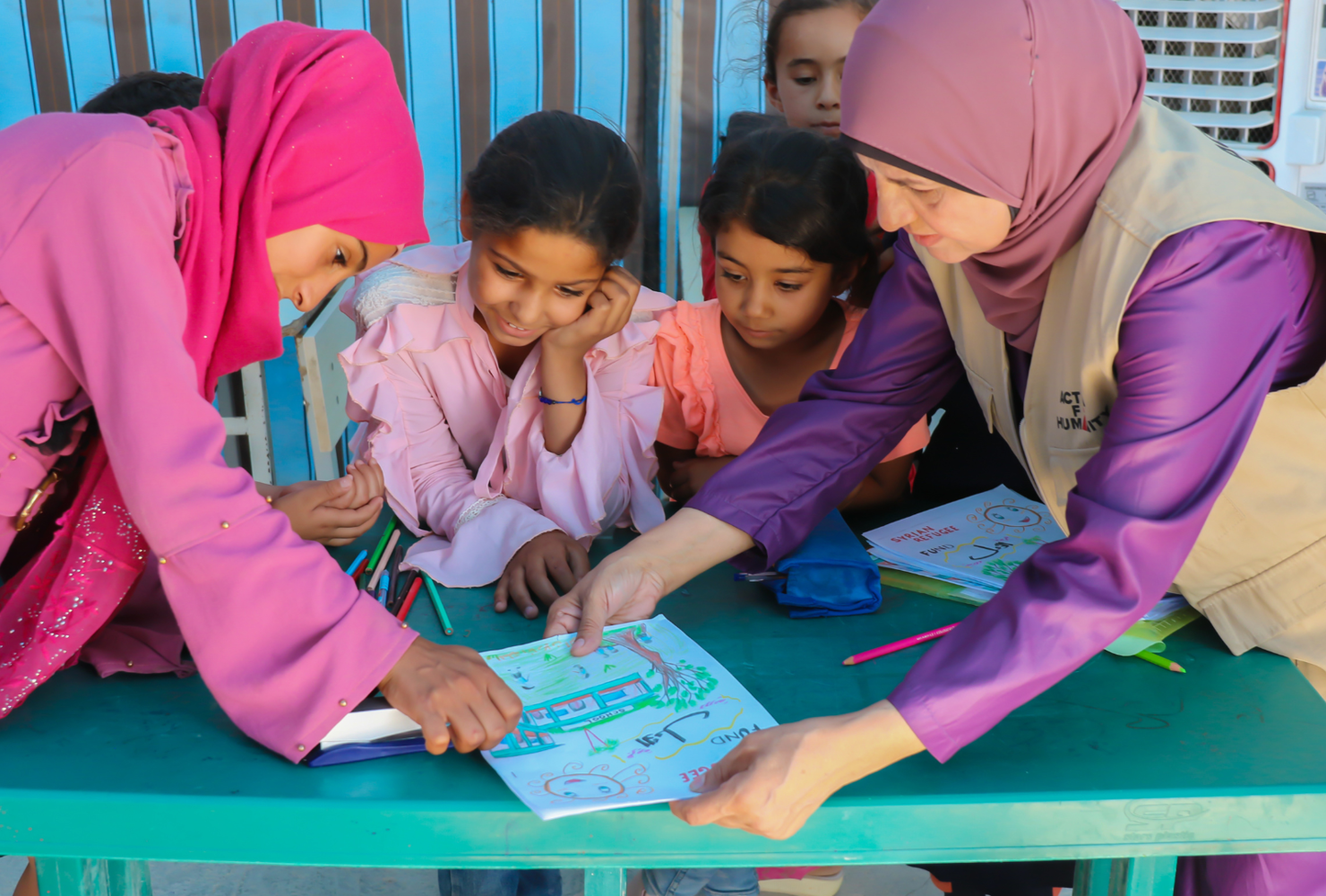
This project addressed both urgent needs and long-term resilience. Over two months (June–August 2025), AFH and DCA supported 26 Syrian families in Beqaa with poultry farming units and rent assistance for the most vulnerable, while 25 Palestinian families in Saida received rental support and small business start-up kits, such as coffee stands or vegetable carts. In addition, an Eid Fun Day brought joy and psychosocial relief to 150 orphaned and vulnerable children, offering safe spaces to play and celebrate.
By combining shelter, livelihoods, and child-focused activities, this initiative restored dignity and built self-reliance.
51
FAMILIES SUPPORTED
Across Syrian and Palestinian refugee camps in Lebanon.
26
POULTRY UNITS
Provided to Syrian families for food security and income.
150
CHILDREN REACHED
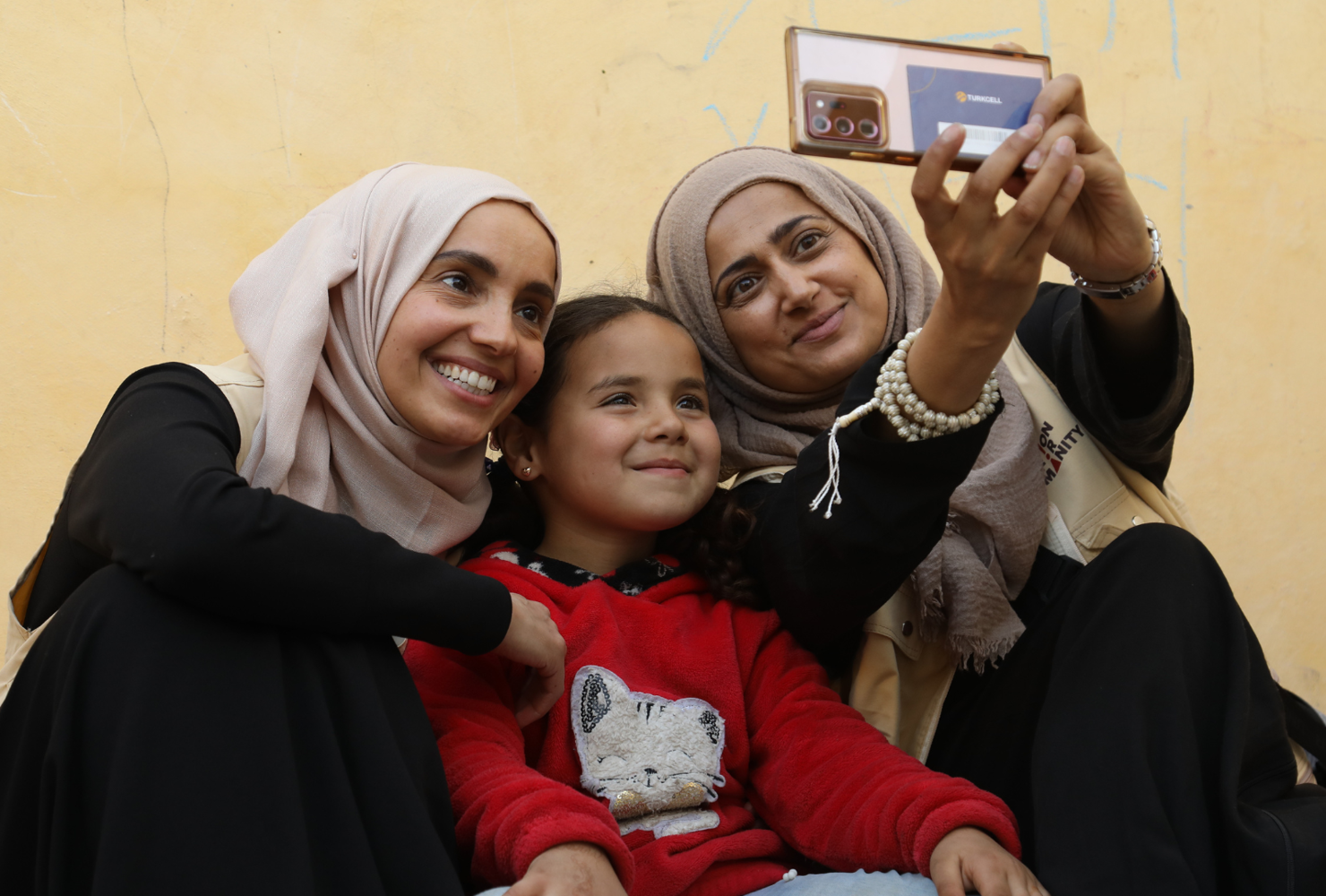
Through Eid Fun Day activities that promoted joy and well-being.
WHAT WE ACHIEVED
+Implemented a poultry farming model that included fencing, housing, feed, and medicines.
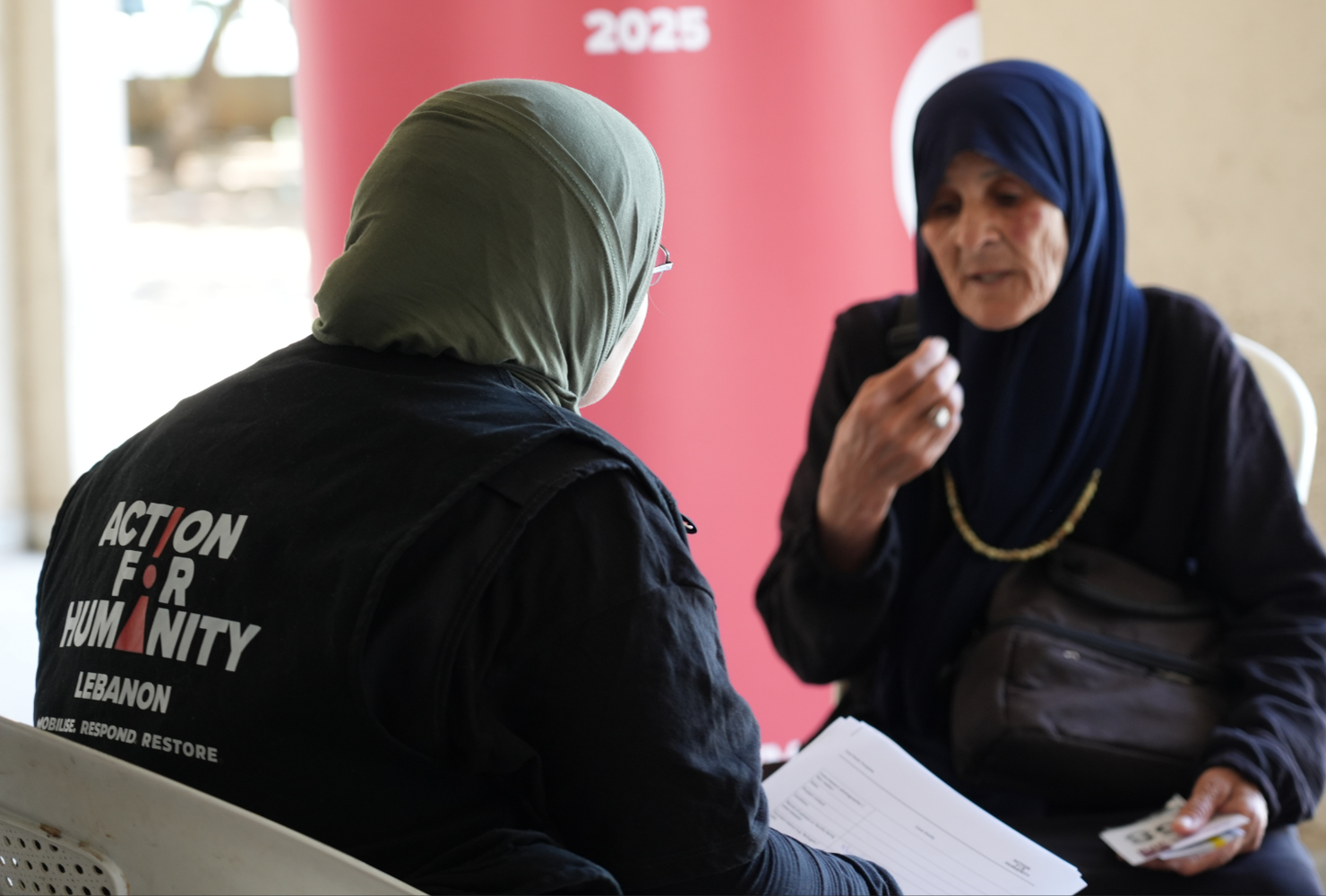
+Delivered a transparent selection process for Syrian and Palestinian families.
+Organised Eid Fun Day with safe, engaging activities for 150 children.
STRENGTHENING RESILIENCE
This project restored stability for families in Beqaa and Saida and also laid the foundations for wider livelihood and protection programmes across Lebanon. The poultry units, rental assistance, and child-focused activities complemented AFH’s wider work in shelter, livelihoods, and psychosocial support. By linking to these ongoing initiatives, the impact of this project extends beyond its timeframe, ensuring families continue to benefit from increased resilience, improved dignity, and opportunities for greater self-reliance.