


20 Minutes From Lebanon's Frontline
Inam Malik, Director of Philanthropy and Emerging Markets at Action For Humanity


I’ve just returned from my latest visit Lebanon, and I want to share what life there actually feels like right now. Not the statistics. Not the headlines. Just what it’s like to be there.
Most of our work is based in Saida, in the south around 20 minutes from the frontline. Even at that distance, the conflict never feels far away. Airstrikes continue to hit nearby areas, and the sound of drones overhead has become part of daily life. Warnings may be issued, but a warning doesn't bring safety. It simply gives people a few moments to decide what to do next.
With the furthest incursion into Lebanese territory in at least 26 years, people are being forced out of about 20% of the land right now. They're told to go north; the same thing they've been told for two years. That sounds like a small number until you realise how tiny the country is. Displacement is seen everywhere. You can’t walk down a street without seeing families who’ve lost everything. Many of the shelters are schools, now packed far beyond capacity. The humanitarian structures just aren’t able to keep up.
In previous visits, I've experienced just how close the danger really is. An airstrike hit less than 100 metres from me, on the very same street where I was staying. An entire residential apartment building was destroyed. Seven people were killed and many others were injured. It's one thing to read about these incidents online, but to stand there afterwards, seeing the devastation with your own eyes, speaking to people whose lives have been changed in an instant, is an entirely different experience.
Even more recently, over the past week, airstrikes intensified significantly over several consecutive days. The uncertainty this creates for families is immense. People don't know whether they will be able to return home, whether their neighbourhood will remain safe, or what tomorrow will bring.
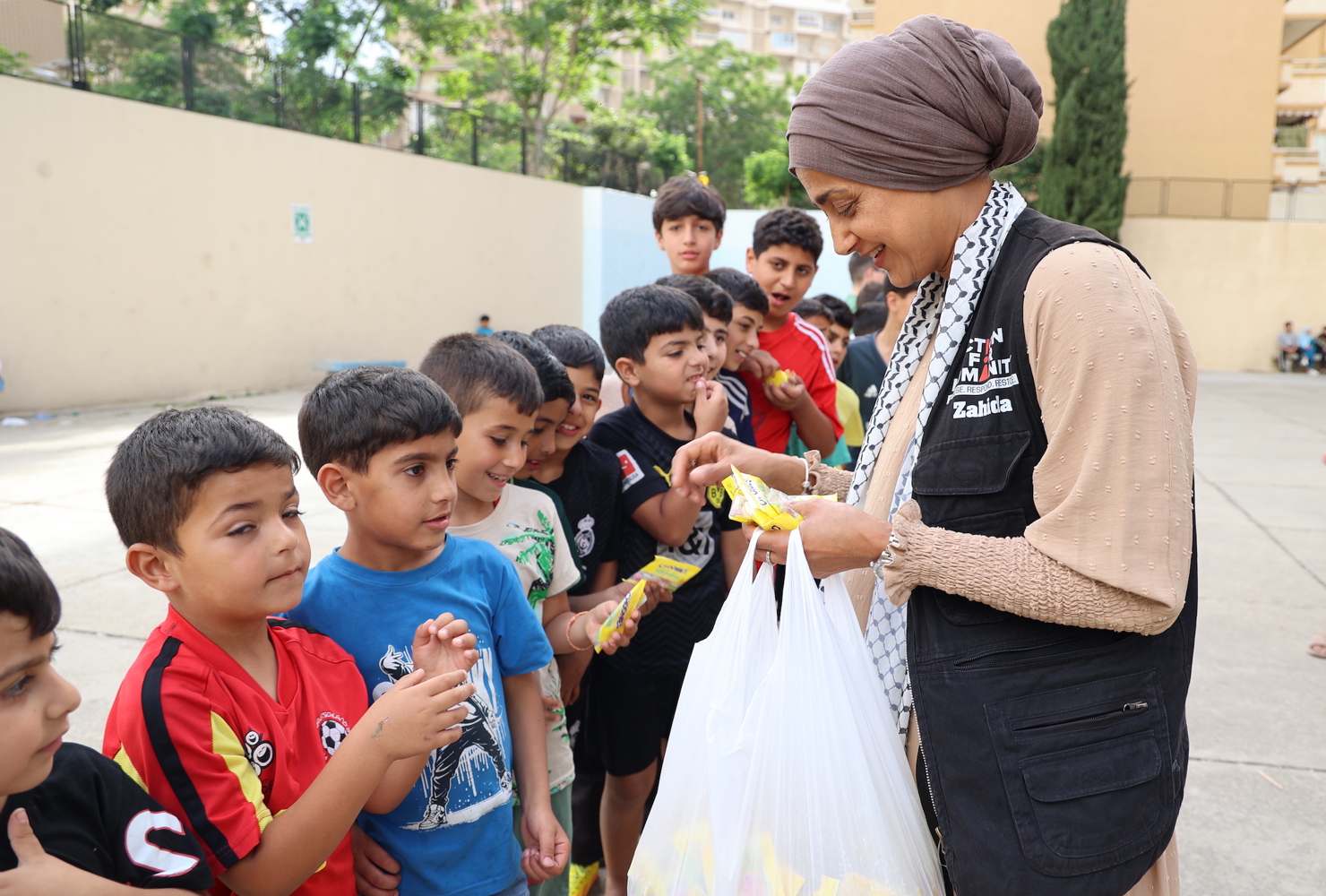
Displacement remains one of the biggest challenges facing Lebanon today. Schools have been transformed into emergency shelters and many are overflowing. Classrooms designed for children to learn in have become temporary homes for entire families. Mattresses line the floors. Privacy is almost non-existent. Families are living day-to-day, uncertain about when they can return home or what they may find when they do.
Here’s something that stuck with me: even when I was sitting at home in the evening, with my AC on full blast and the TV on loud, I could still hear the monotonous humming of the drones. They’re constant. Even in areas where bombs aren’t dropping, they’re still there. Watching. Humming. Reminding everyone that you’re not safe.
Yet despite everything, what stands out most is not fear, but rather the resilience.
I have seen neighbours sharing food with one another when they have very little themselves. I've met families who have lost almost everything and yet still welcome others into their temporary spaces. I've witnessed communities coming together to support one another in ways that are both humbling and inspiring. People are determined to carry on living. They are determined to protect their children and find stability, even in the most difficult circumstances.
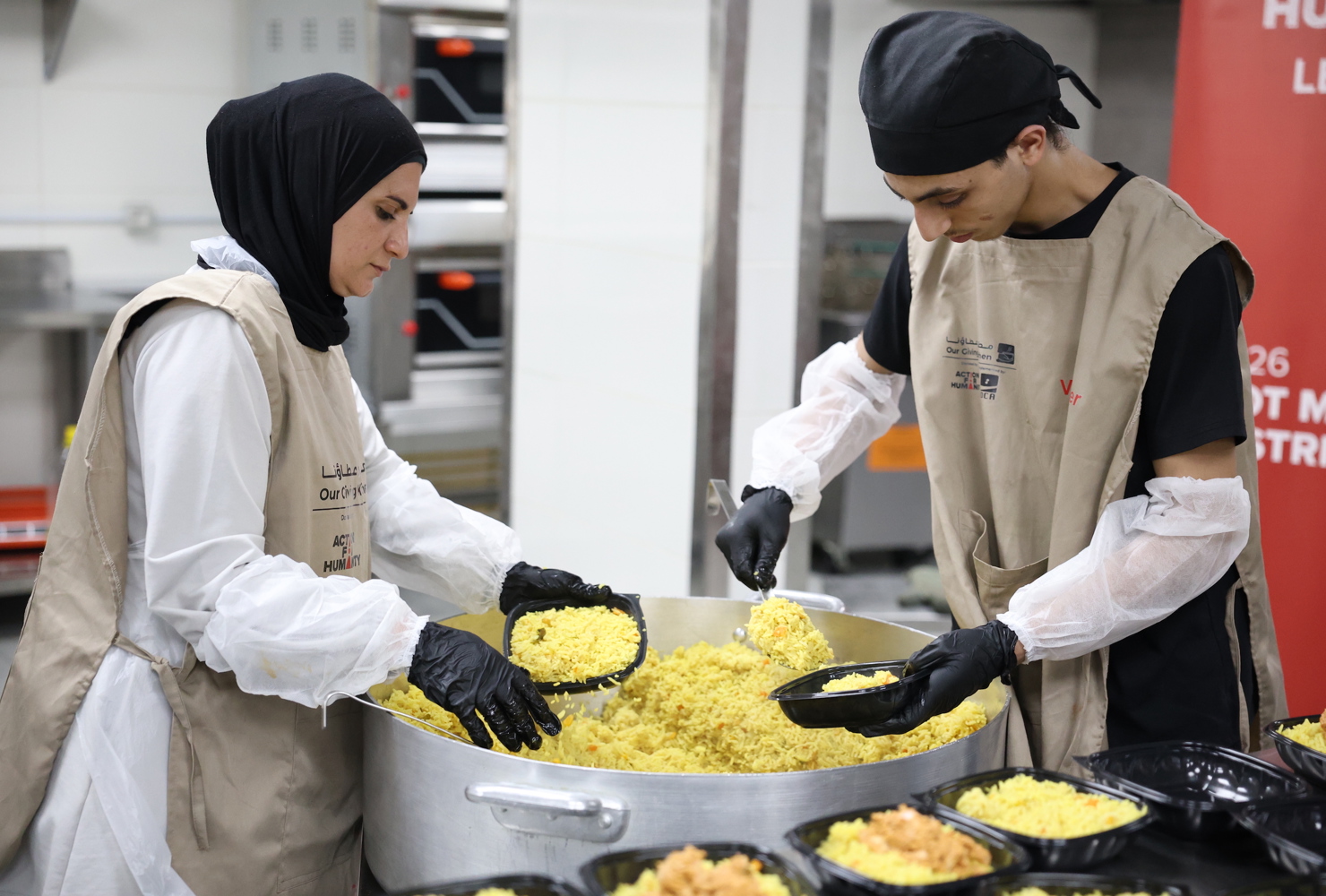
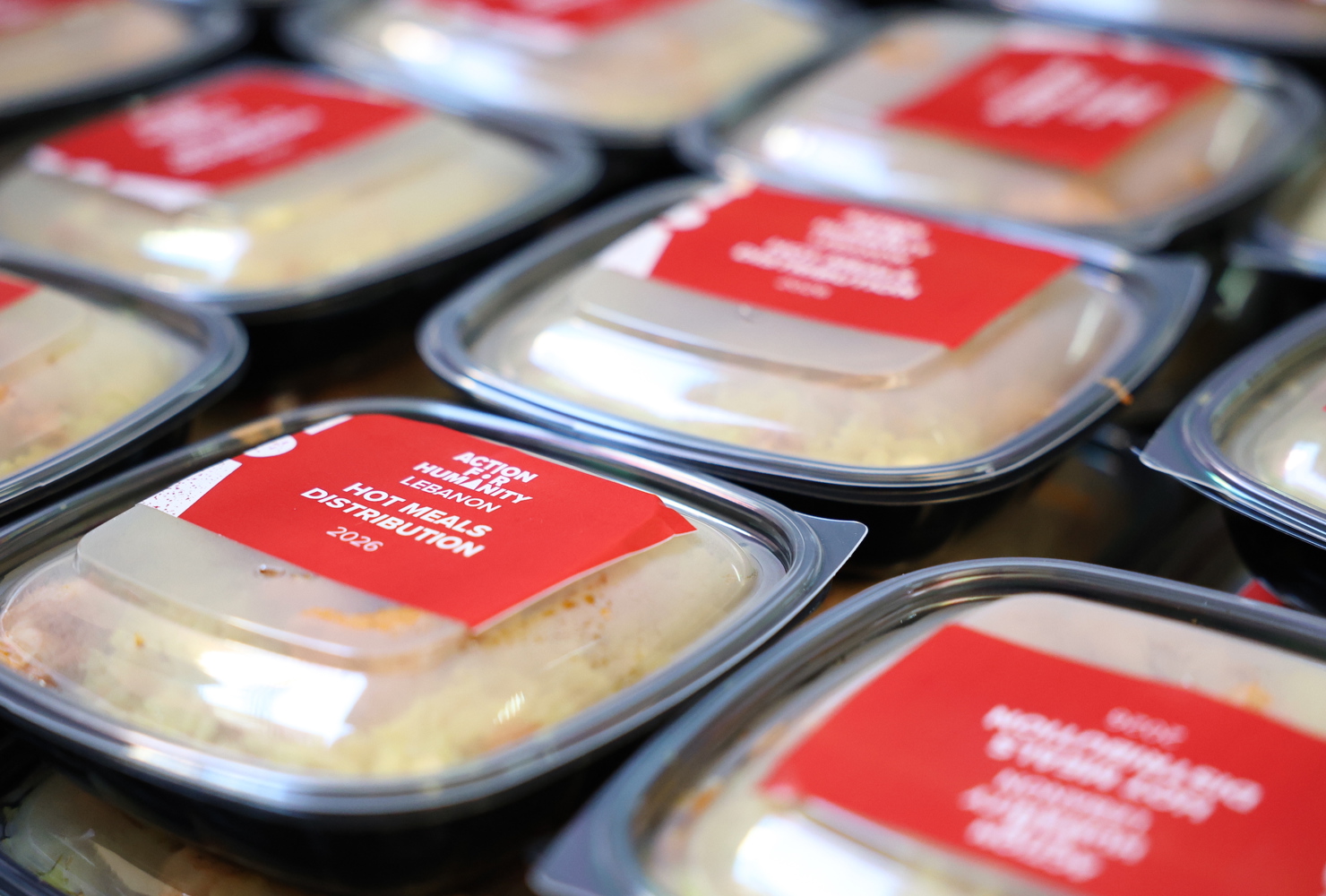
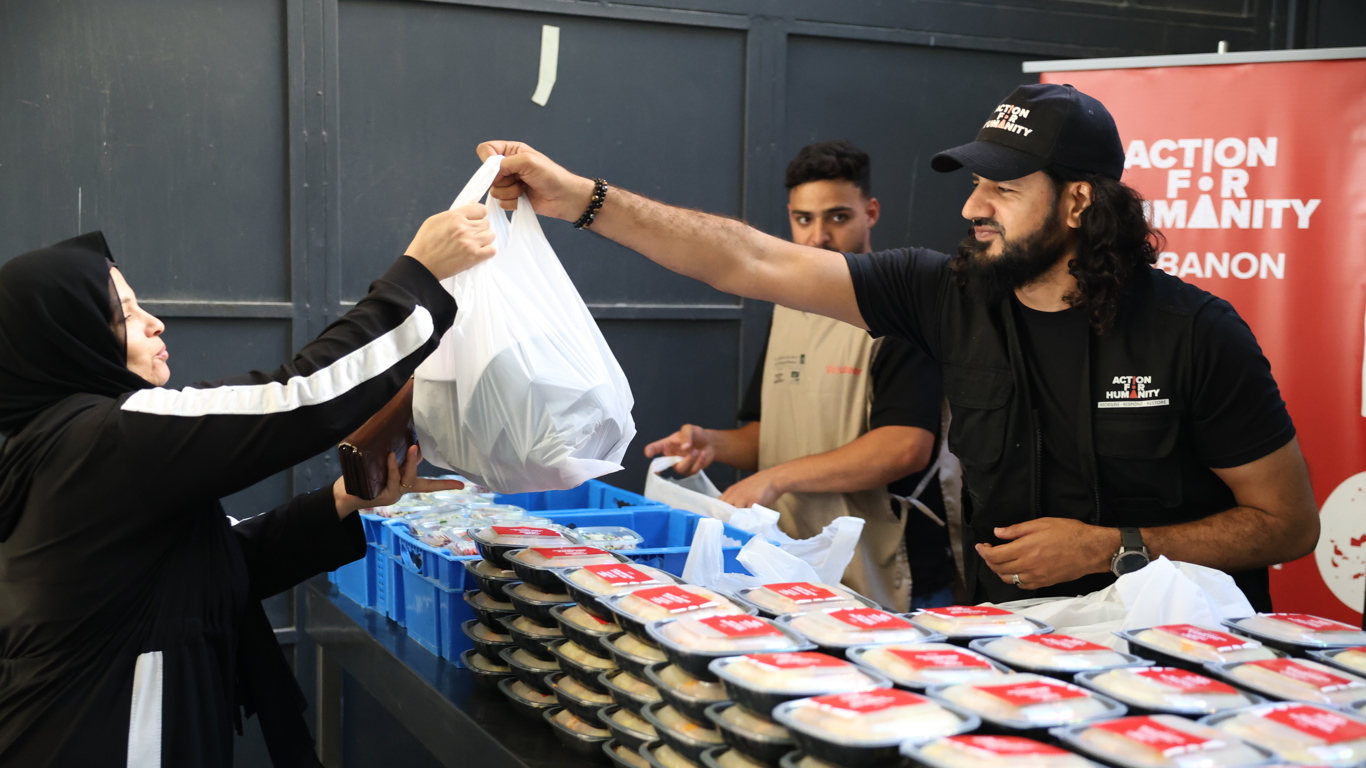
Action For Humanity is on the ground doing what we can to support that. Our bakery and community kitchen in Saida have become a lifeline for displaced families sheltering in schools and temporary accommodation. Every day, fresh bread and hot meals are prepared and distributed to those who have nowhere else to turn. Our ambulances and mobile medical teams continue responding to emergencies and reaching vulnerable families who struggle to access healthcare.
Every day my colleagues and friends show up to do what they have to do. But it’s not just us. It’s the families cooking together in makeshift kitchens. It’s the volunteers helping neighbours move their belongings before a strike. It’s the doctors working without power. It’s the parents trying to keep their children calm while the drones hum overhead.
People often ask me what Lebanon is like right now.
I tell them it is exhausting. I tell them it is heartbreaking. I tell them it is unpredictable. But I also tell them that I have never witnessed resilience quite like it. I tell them that the work is overwhelming, but we have to do it, because 1.2 million people have been displaced and hundreds of thousands of them don’t know where they’re going to rest their head tonight or get their next meal.
Behind every headline is a family searching for safety. Behind every statistic is a mother trying to feed her children. Behind every airstrike is a community trying to rebuild and carry on.
The world may hear about Lebanon, but most people do not hear the constant hum of drones overhead. They have not seen the overcrowded shelters, the fear, the uncertainty, or the courage displayed every single day by ordinary people facing extraordinary circumstances.
I have.
And so have my colleagues who continue to serve on the ground every day.
We are still here. We are still working. And with your support, we will continue standing alongside the families who need us most.
Share Article