

Vision for Hope: Helping Children in Gaza See a Brighter Future


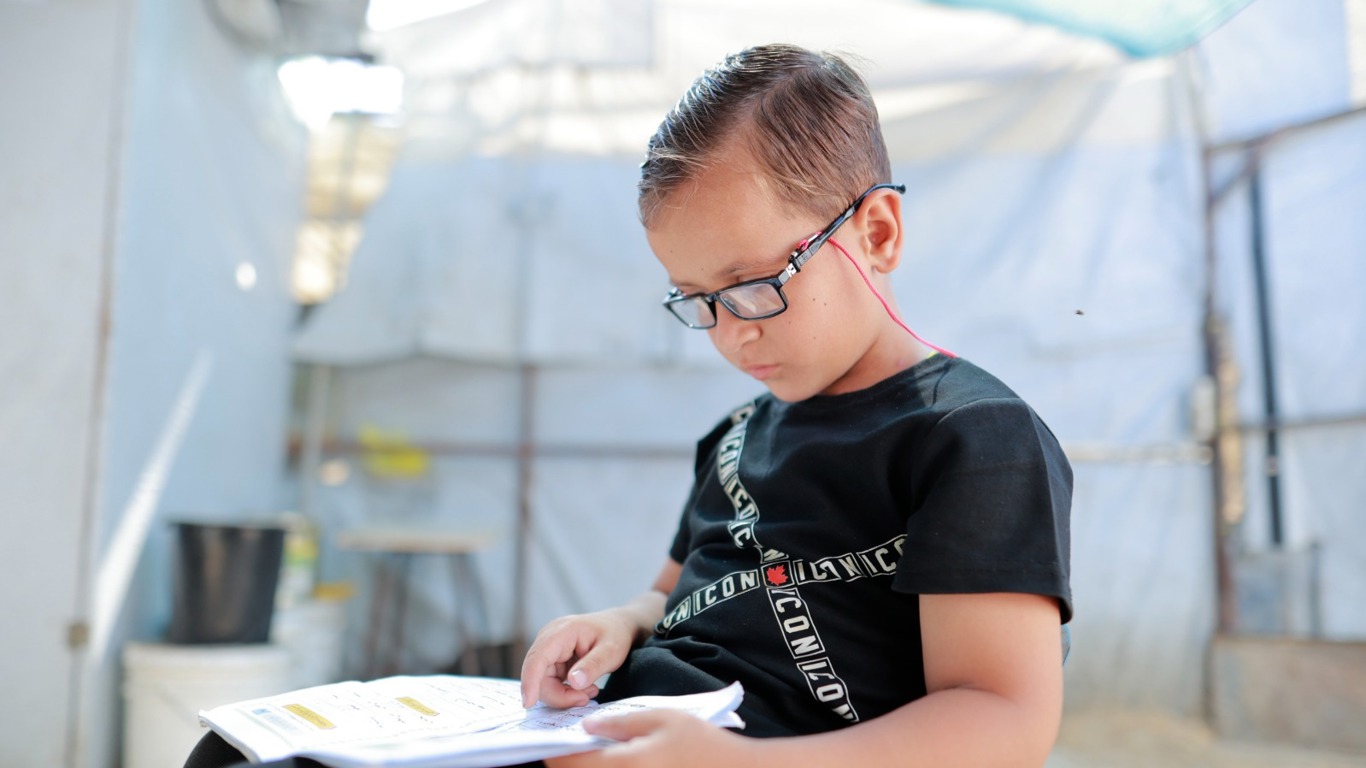
For a child, good eyesight can change so much. It can mean being able to read the words on a page, recognise a familiar face and experience the world around them with greater confidence.
However, in Gaza, access to healthcare remains severely constrained, including specialist services such as eye care. For children already growing up through conflict and displacement, an untreated problem with their eyesight can create another barrier to learning and everyday life.
Through Vision for Hope, Action For Humanity is helping children access specialist eye examinations and prescription glasses, providing practical support that can make a lasting difference.
A Clearer View, a Brighter Smile
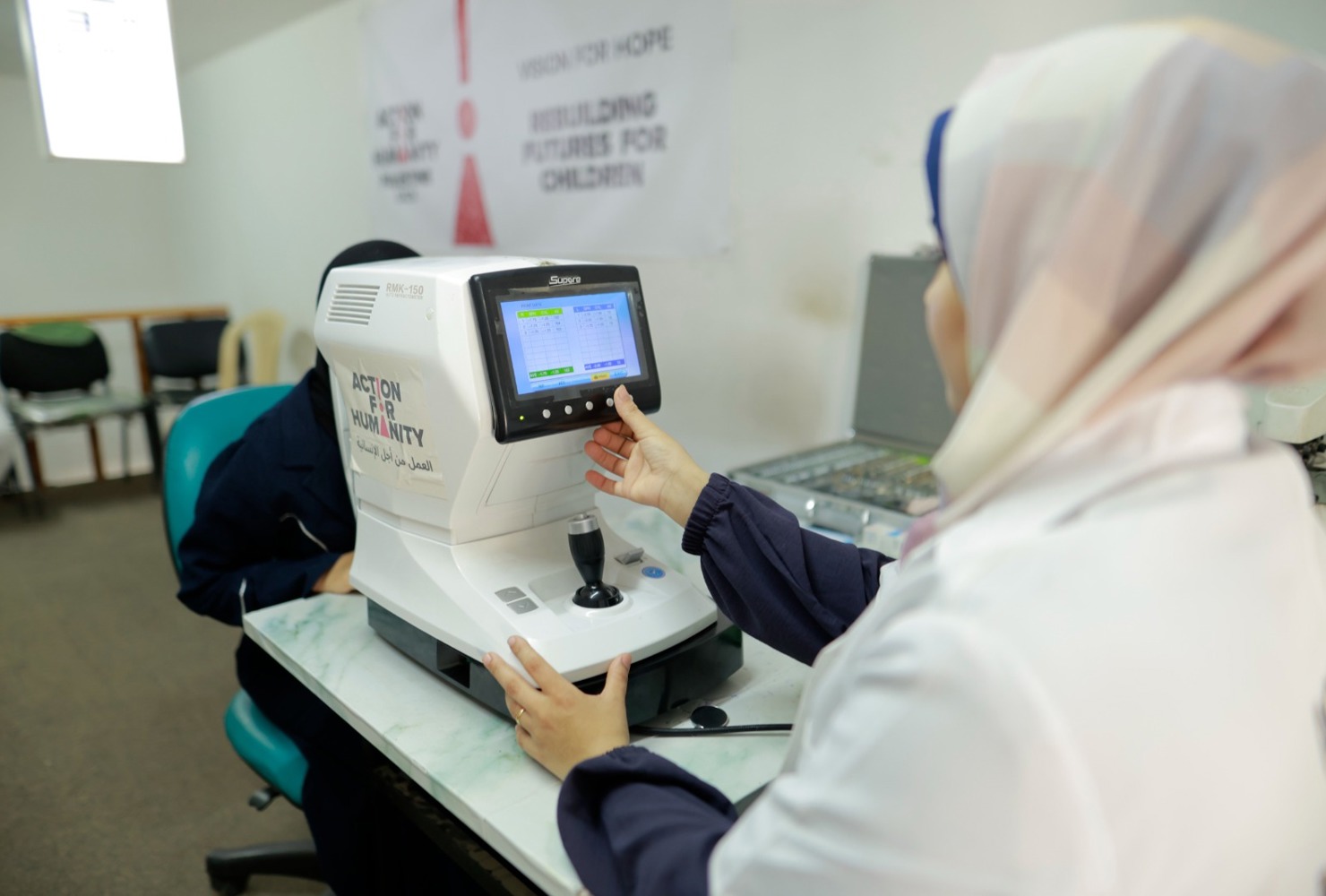
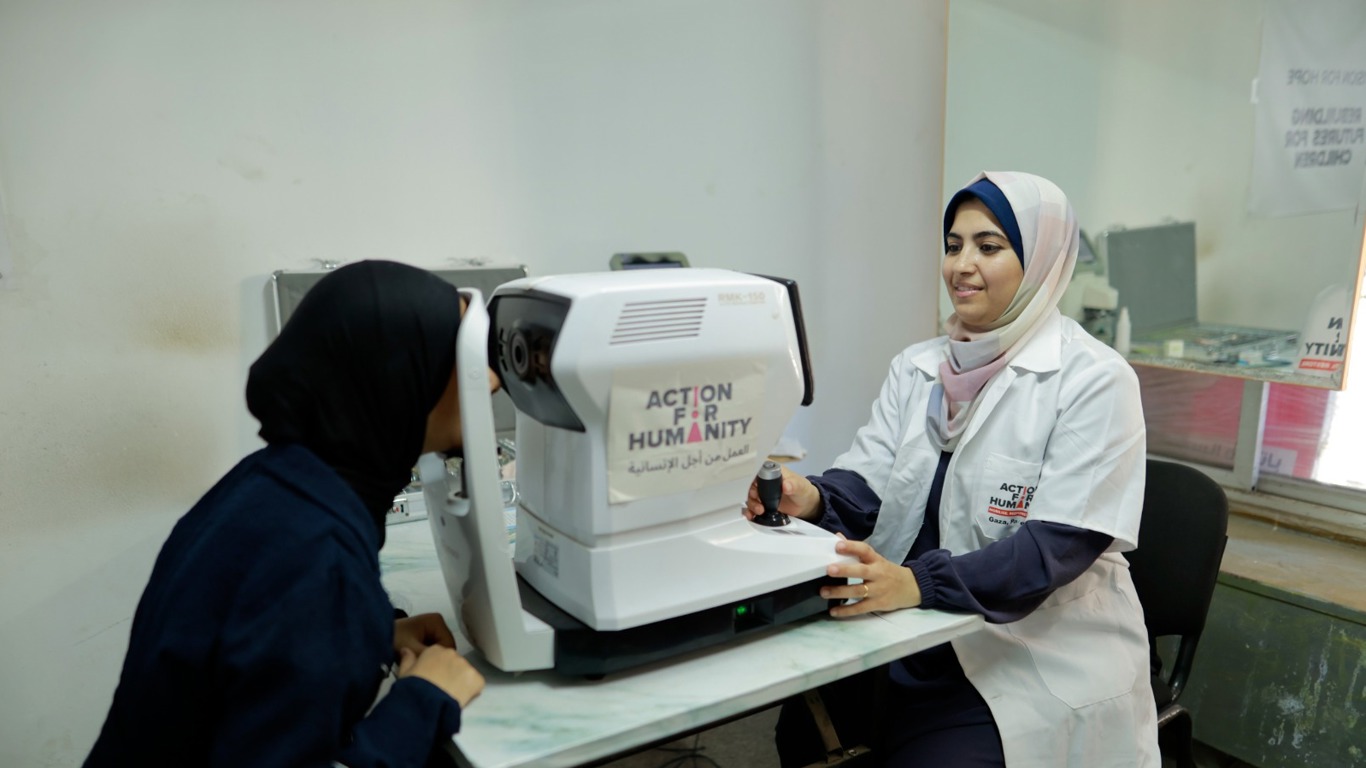
Through Vision for Hope, specialist teams are providing eye examinations for children across North, West and East Gaza City. In total, 940 children will receive specialised diagnostic eye examinations, helping identify problems with their vision and determine the support they need. For 468 children, this will include customised prescription glasses.
Dr Najat Al-Dahdouh, who is working on Vision for Hope with Action For Humanity, explains that children receive in-depth eye examinations before those who need further support are selected to receive prescription glasses.
For the children receiving them, the difference can be immediate. Words become easier to read, familiar faces become easier to recognise, and the world around them comes into focus.
Helping Malak Continue Her Studies
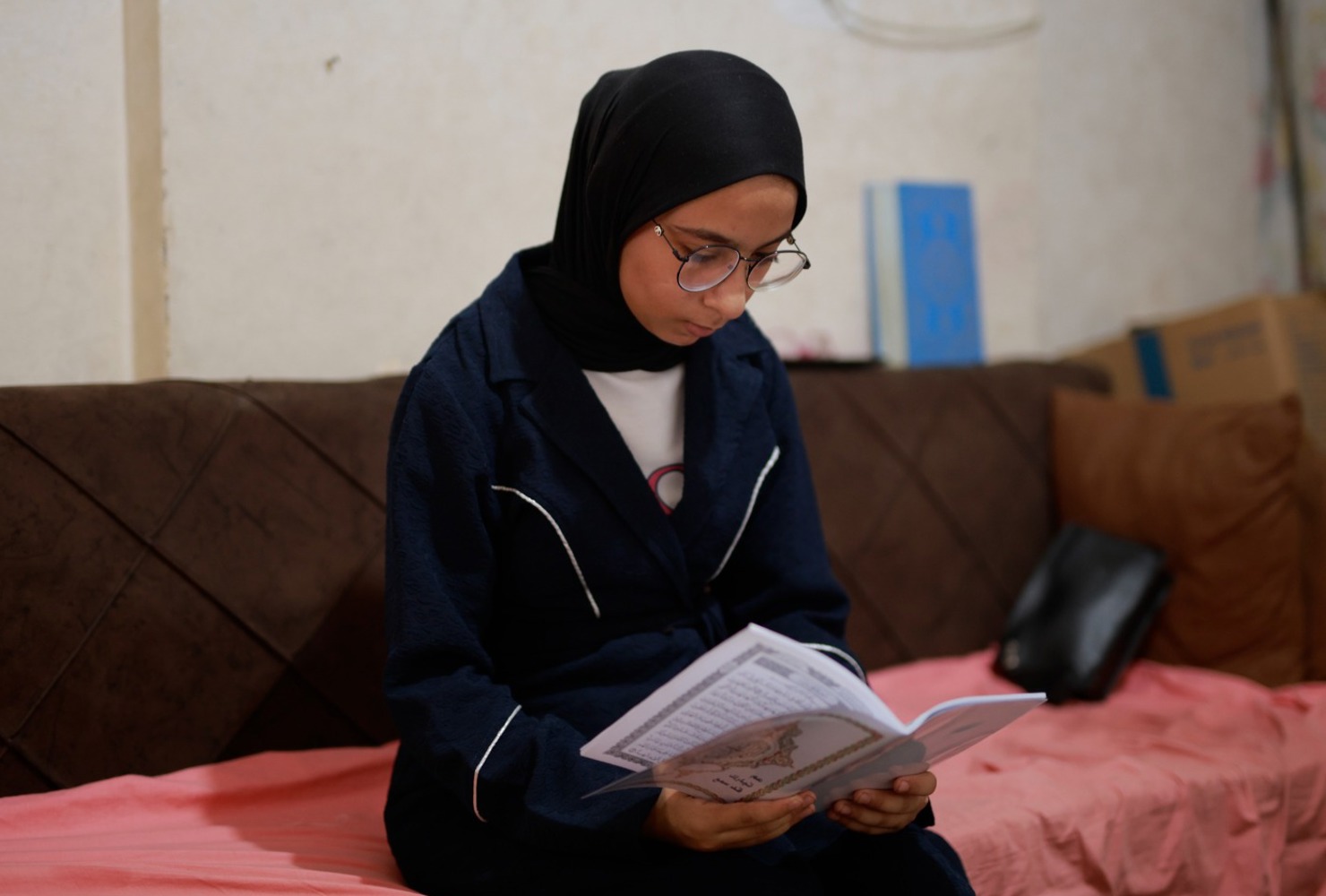
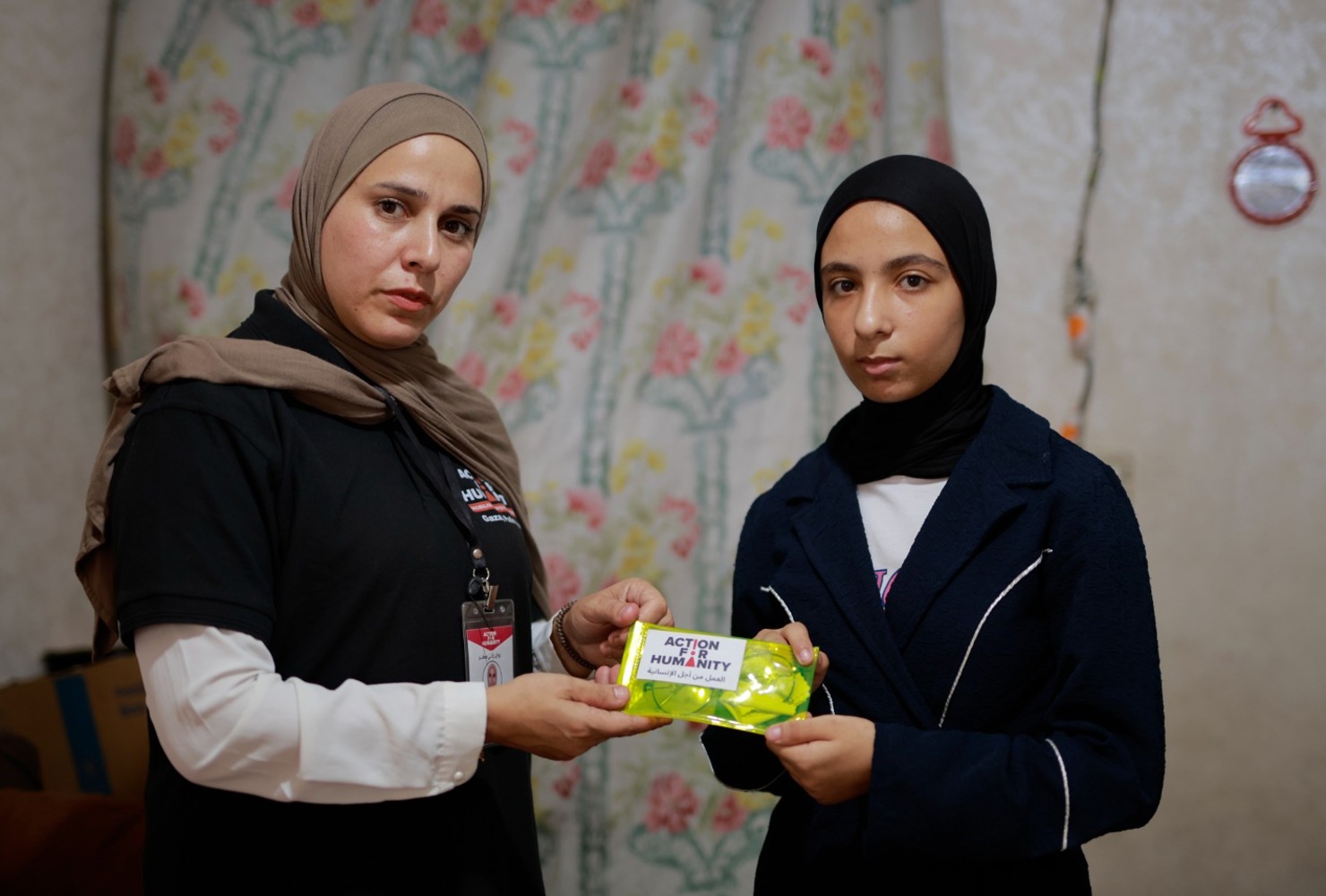
Malak Fadi Hijazi is 13 years old and has been displaced to Al-Shati Camp. After having her eyesight tested at school, Malak was contacted by Action For Humanity and provided with prescription glasses.
For Malak, the difference they can make is simple but important:
“They provided me with glasses to help me continue my studies and be able to see people.”
Malak's experience shows how closely healthcare and education can be connected. When a child struggles with their eyesight, reading, writing and participating in lessons can all become more difficult. For a child whose education has already been disrupted by displacement, removing that barrier matters.
Making Learning Easier for Lamar and Karam
Malak is one of hundreds of children being supported through Vision for Hope. Lamar Al-Dalu, also 13, attends Kafr Qasem School. An eye examination at school identified that she needed glasses, which were then provided through Action For Humanity.
Lamar described what they mean for her:
“I really need it; it makes studying easier for me. It makes it much easier for me to see really well.”
Thirteen-year-old Karam Swerke had a similar experience. After having his eyesight checked at Al-Buraq School, he discovered that he had poor eyesight.
Action For Humanity provided Karam with glasses, which he hopes will help him continue learning.
“My vision will improve with them, and I’ll continue my studies.”
These might seem like small moments within an enormous humanitarian crisis. But for an individual child, being able to see the board, read a page or recognise the people around them can make a meaningful difference to everyday life.
The Link Between Eye Health and Education
The importance of Vision for Hope goes beyond treating problems with eyesight. As Dr Najat explains, children are referred to specialist vision centres where assessments help identify the problem they are experiencing and determine what support they need so they can return to reading and writing more comfortably.
For her, prescription glasses represent much more than lenses.
“These glasses are not just lenses, they are protection for their vision.”
She describes how improved eyesight can help children sit at the front of the classroom, complete their homework and feel more confident among their classmates. Her message is simple:
“The health of their eyes is the gate of their education.”
For children growing up in Gaza, that connection is particularly important. Conflict and displacement have already profoundly disrupted children's education and everyday routines. Access to the right healthcare can help remove one more obstacle standing between them and their ability to learn.
Caring for Children Beyond the Emergency
Vision for Hope is one part of Action For Humanity's wider commitment to children and families across Gaza. Our teams continue to respond to immediate humanitarian needs, including food, clean water, shelter and healthcare. But communities deserve more than survival.
That means looking beyond the immediate emergency and supporting the services that help people recover, regain independence and build towards the future.
Our wider work in Gaza brings together healthcare with education, child protection and psychosocial support, alongside essential humanitarian assistance. This includes creating opportunities for children to continue learning in safer, child-friendly environments and helping vulnerable children access the support they need.
Vision for Hope is part of that bigger picture. By providing specialist eye care, screenings, treatment and corrective support, the programme aims to prevent avoidable vision loss while improving independence, wellbeing and quality of life.
From Immediate Relief to Recovery
Humanitarian action cannot end when an immediate need has been met. For people living with injuries, disabilities or health conditions in Gaza, recovery can require specialist care and ongoing rehabilitation. For children, it can also mean having the healthcare, protection and educational support they need to continue developing despite everything happening around them. That principle runs through our work.
Whether we are helping a child access eye care, supporting their education or helping a family meet their most basic needs, our aim is to stand alongside communities through both the immediate crisis and the longer journey of recovery.
Supporting the Sustainable Development Goals
Vision for Hope also contributes to the wider ambitions of the United Nations Sustainable Development Goals (SDGs). Most directly, the project supports SDG 3: Good Health and Well-being, through access to specialist healthcare and treatment.
Its benefits also connect with SDG 4: Quality Education. When poor eyesight makes it difficult for a child to read or learn, providing the right care can remove a significant barrier to their education.
These goals reflect something at the heart of Vision for Hope: healthcare is not only about treating a condition. It can give people greater opportunities to learn, participate and live more independently.
A Brighter Future for Gaza's Children
Behind every number is a child with their own experience, their own ambitions and their own view of the future. Through Vision for Hope, 940 children will have their eyesight examined and 468 will receive customised prescription glasses. For some, putting on those glasses may be a small moment.
But suddenly, the words on the page are easier to read. The faces around them are easier to see. And one more barrier between them and their future has been removed.
To everyone who makes this work possible, thank you. Your support allows us to continue standing alongside children and families in Gaza, responding to urgent needs while supporting the healthcare, education and recovery that can make a difference long after the immediate emergency.
Share Article
 Quick Donate